
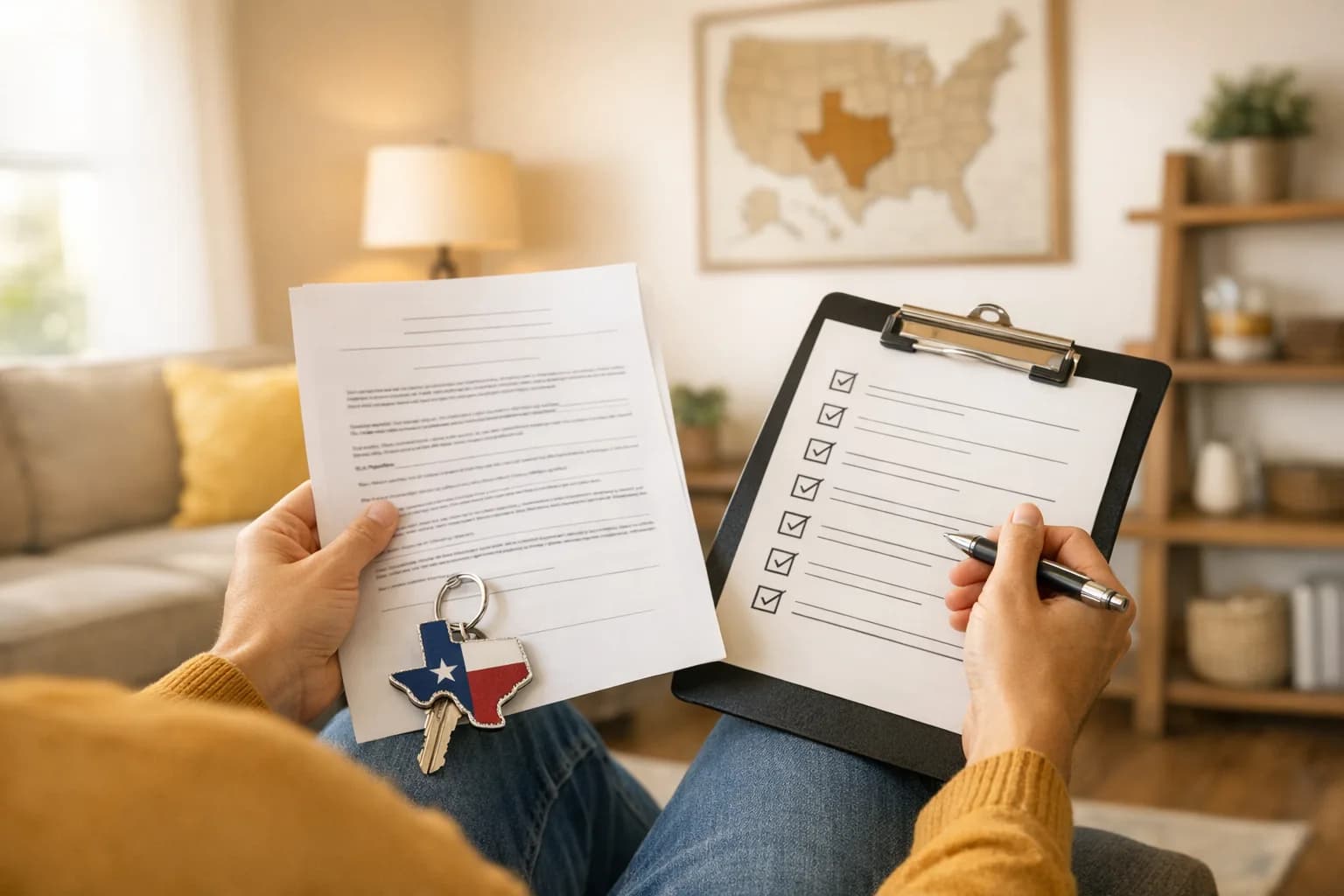
Texas Tenant Rights: What Every Renter Should Know
A practical guide to tenant rights in Texas, including repairs, deposits, notice rules, and how to handle landlord disputes the smart way.
Renting in Texas can feel straightforward until something goes wrong - repairs never happen, your deposit disappears, or your landlord tries to pressure you into leaving. Knowing your tenant rights early helps you avoid expensive mistakes and respond with confidence.
This guide breaks down the tenant legal rights Texas renters ask about most, plus practical steps you can take if a landlord is not following the rules. If your issue turns into a money dispute, we will also cover when small claims court tenant Texas cases make sense.
The tenant rights that matter most in Texas
Tenant rights are not just theory - they affect your safety, your budget, and your ability to stay housed. Texas renter protections are often very specific, so the details (and your documentation) matter.
Here are the most common tenant rights Texas renters rely on in day-to-day disputes:
- A habitable home - basic health and safety issues should be addressed (think heat, plumbing, water, unsafe electrical problems).
- Repair rights when the problem materially affects health or safety - and you have properly notified the landlord.
- Protection from certain types of retaliation - for example, being targeted after making a good-faith repair request or complaint.
- Clear rules on changing locks and access - landlords generally cannot lock you out without following Texas procedures.
- Security deposit rules - timelines and itemized accounting requirements can apply when you move out.
- Notice requirements - many landlord actions (like ending certain tenancies or pursuing eviction) require specific notice steps.
💡 Document first, argue second
Before you debate the law, lock down the facts. Save your lease, photos/videos, repair requests, receipts, move-in/move-out photos, and all texts/emails. Good documentation is what makes tenant rights enforceable in real life.
Repairs, habitability, and getting your landlord to act
Repair problems are one of the most common landlord tenant disputes Texas renters face. The biggest issue is not whether the problem is real - it is whether the tenant gave proper notice and created a paper trail that shows the landlord had a fair chance to fix it.
If you are dealing with a serious repair, focus on a clean timeline. Your goal is to show what the issue is, when the landlord learned about it, and what happened after.
- Report the problem in writing (email or a tenant portal is ideal). Include dates, photos, and a clear description.
- Ask for a specific fix, not just a complaint (example: “Please send a licensed plumber to repair the leak under the sink”).
- Follow up if you do not get a response. Keep each follow-up short and factual.
- Track out-of-pocket costs you paid because of the issue (laundry, hotel, temporary repairs) and keep receipts.
- If the issue is urgent, consider contacting local code enforcement or health authorities. Save the case number and inspection notes.
⚠️ Be careful with rent withholding
Many renters assume they can stop paying rent when repairs are ignored. In Texas, doing that without following the proper process can put you at risk of eviction. If you are unsure what is allowed in your situation, consider speaking with a local tenant attorney or legal aid.
Security deposits: what Texas renters can recover
Security deposit fights are where tenant rights turn into real dollars. A landlord may try to keep the deposit for cleaning, vague “damages,” or charges that do not match the lease.
The strongest deposit claims usually have two things: (1) move-in and move-out photos, and (2) a clear record of when you provided your forwarding address and asked for the deposit back.
- Take detailed move-out photos and video - floors, walls, appliances, bathrooms, and any existing wear.
- Return keys and get proof of surrender (a receipt, email confirmation, or a photo of keys dropped off per instructions).
- Send your forwarding address in writing and keep a copy.
- Ask for an itemized list of deductions if any amount is withheld.
- Compare deductions to your lease and to normal wear and tear.
If you suspect the deposit was kept in bad faith, Texas law can allow significant recovery in the right case. Even when you are confident, your best move is often to start with a clear written demand that lays out the facts and what you want back.
Want to push a deposit or repair reimbursement dispute toward settlement? Use Flash Justice to send a certified demand letter based on your facts.
Start NowWhen small claims court makes sense for tenant disputes
Some landlord tenant disputes Texas renters face are really money disputes: unpaid deposit, reimbursement for repairs you paid for, property damage caused by negligence, or illegal fees. When the landlord will not resolve it, small claims court tenant Texas cases can be a practical next step.
Small claims in Texas (Justice Court) is designed for everyday people. You typically focus on a clear story, documents, and a specific dollar amount you are asking the judge to award.
- Good fit for small claims: a specific amount owed (deposit, overcharges, documented reimbursements, property damage) with solid proof.
- Harder in small claims: cases that depend on complex legal arguments, unclear damages, or lots of witness testimony.
- What to bring: lease, payment records, photos, inspection reports, demand letter and delivery proof, repair invoices, and a timeline.
If you are weighing court, focus on what you can prove. Tenant rights are strongest when you can show dates, notices, and numbers - not just frustration.
💡 A simple proof checklist
To strengthen tenant legal rights Texas claims, build a one-page timeline: move-in date, problem dates, notice dates, landlord responses, move-out date, forwarding address date, and the exact amount you are requesting.
Practical steps to protect yourself before the next issue
The easiest time to protect your tenant rights is before there is a dispute. A few habits can prevent months of back-and-forth later.
- Read the lease like a checklist before signing - fees, maintenance responsibilities, and notice rules.
- Do a move-in walkthrough with photos and send any issues to the landlord in writing right away.
- Pay rent in a trackable way and save receipts or confirmation emails.
- Keep communication in writing when possible. If you talk by phone, follow up with a short email summary.
- Store everything in one folder - lease, photos, repair requests, and receipts.
Most problems resolve faster when you are organized and direct. If they do not, your records help you enforce tenant rights Texas renters are entitled to under the law.
Bottom line: tenant rights are only useful when you can show what happened. Build your paper trail early, try a clear demand, and use small claims court when the dispute is about a specific amount of money you can prove.
**Disclaimer:** Flash Justice is not a substitute for the advice of an attorney, and does not establish an attorney-client relationship. Flash Justice does not provide legal advice and does not exercise legal judgment on your behalf. This article is for informational purposes only. If you are unsure whether small claims court is right for your situation, we recommend consulting with a licensed attorney.
Related Articles

Midland County Court Case Lookup for Justice Claims
Find a Midland County Justice Court claim, read docket updates, confirm deadlines, and request official copies with this practical guide.

Small Claims Court Tarrant County: Where and How to File
Learn which Tarrant County JP court to use, how to file your petition, what fees to expect, and what happens next.

Austin Small Claims Court: How to File in Travis County
Learn which Travis County JP court handles your claim, how to file, what it costs, and what happens after filing.